
A brush fence looks effortless once it’s done. Natural, textured, warm. But getting there? That’s where things can go wrong fast, especially without the right hands on the job.
Professional brush fence installation isn’t just about hammering posts and packing brushwood. There’s real craft involved. And when corners get cut, the results show quickly.
Here’s what goes wrong without professional help, and why it matters.
Mistake 1: Poorly Set Posts That Can’t Hold the Weight
Brushwood is heavy. More than most people expect.
DIY installations often underestimate footing depth. Posts set too shallow shift over time, lean, and eventually pull the whole fence with them.
Professional installers know that posts need to go at least one-third of their total height into the ground. On slopes or coastal blocks, even deeper. The concrete footing has to cure properly, too; rushing this step is one of the most common causes of early fence failure.
What professionals do differently:
- Measure footing depth based on fence height and soil type
- Allow proper curing time before loading weight onto posts
- Use steel posts suited to the Australian climate
Mistake 2: Choosing the Wrong Brushwood
Not all brushwood is equal. Cheap or poorly harvested material looks fine at first, then fades, thins out, and loses density within a year or two.
Brush Fence uses hand-harvested brushwood specifically selected for its natural strength and rich colour. This type of material holds its density and form far longer, giving each panel a solid, full appearance that doesn’t sag or go patchy.
Good brushwood also resists coastal wind better. For Northern Sydney and Central Coast properties, that matters a lot.
Mistake 3: Skipping Proper Wire Tensioning
The horizontal wires running through a brush fence aren’t decorative. They’re structural.
A wire that’s too loose allows the brushwood to bulge, shift, and eventually fall out. A wire that’s overtightened can bow the posts inward. Getting the tension right is a skill that takes experience, not a YouTube tutorial.
Key things professionals get right:
- Even wire spacing is marked before packing begins
- Correct use of clips to maintain compression throughout
- Wires checked and adjusted after the full run is packed
Mistake 4: Ignoring Land Topography
Flat blocks are easy. Most Sydney properties aren’t flat.
On sloped land, a brush fence needs to step or rake correctly to follow the terrain. Getting this wrong leaves gaps at the base, which ruins privacy and looks untidy. On difficult access properties, pre-packed panels may not even be suitable.
Professional brush fence installation includes a site assessment before a single post goes in. The team at Brush Fence designs each project around the specific lay of the land, not a one-size approach.
Mistake 5: Neglecting Maintenance Until It’s Too Late
A brush fence that’s been ignored for years doesn’t just look rough. It becomes a structural problem. Sections thin out, wires corrode, and caps crack or come loose.
The good news is that brush fence maintenance is straightforward when done regularly. Minor repairs done early cost far less than full section replacements later.
Simple maintenance tips:
- Inspect the fence after heavy storms
- Replace damaged capping before water gets into the frame
- Call in a professional for any section showing lean or gaps
Why It’s Worth Getting It Right the First Time
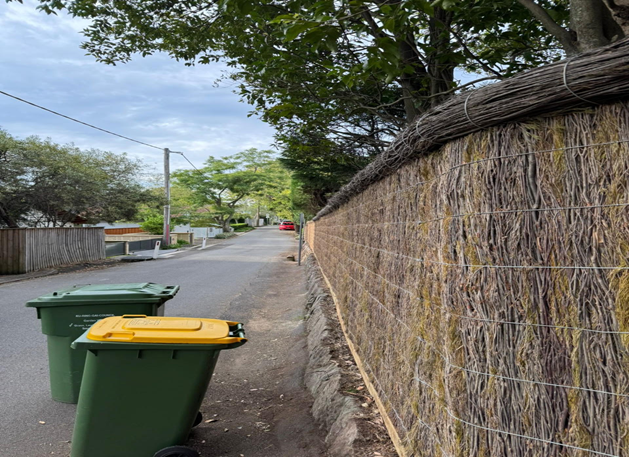
A well-built brush fence adds genuine character to a property. It handles wind, provides real privacy, and ages beautifully when built properly.
The mistakes above are common, but they’re also completely avoidable. With professional brush fence installation from an experienced local team, the result is a fence built to last, not one that needs rework six months in.
Brush Fence services Northern Sydney and the Central Coast, with a hands-on approach to every project, from the first consultation through to the final cap.