
The Anatomy of a Brush Fence Panel: Why Packing Density Affects Wind and Privacy Performance
A brush fence is more than a decorative boundary. Its performance depends on how well each panel is constructed, from the supporting frame to the natural brush material packed inside. When homeowners understand the anatomy of a brush fence panel, they can make informed decisions that improve privacy, durability, and wind resistance.
A well-designed brush fence balances strength with natural airflow. While it should provide excellent screening, it also needs to withstand changing weather conditions without placing unnecessary stress on the structure.
What are the main components of a brush fence panel?
Every brush fence panel consists of several elements working together to create a durable and attractive fence.
Structural frame
The frame provides the overall support for the panel. It keeps the brush material secure and helps the fence maintain its shape over time.
A sturdy frame also distributes pressure evenly during strong winds, reducing the likelihood of movement or damage.
Natural brush material
The brush itself forms the visible surface of the fence. It creates the natural appearance while acting as the primary barrier for privacy and wind filtration.
The quality, condition, and arrangement of the brush directly influence how the fence performs throughout its lifespan.
Fastening system
Wires, ties, or other fastening methods hold the brush securely inside the frame. Proper fastening prevents material from shifting while maintaining consistent panel density.
Why is packing density so important?
Packing density refers to how tightly the natural brush is compressed within each fence panel. It is one of the most important factors affecting the fence’s overall performance.
If the brush is packed too loosely, visible gaps may appear, reducing privacy and allowing stronger wind penetration.
If it is packed excessively tight, unnecessary pressure may be placed on the frame while reducing natural airflow.
Finding the right balance is essential for achieving both durability and functionality.
How does packing density improve privacy?
One of the primary reasons homeowners choose brush fencing is privacy.
The anatomy of a brush fence panel plays a significant role in determining how effectively it blocks visibility from neighbouring properties or public spaces.
A properly packed panel helps:
- Reduce direct lines of sight
- Create a more secluded outdoor area
- Improve garden privacy
- Maintain a consistent natural appearance
Uniform packing throughout the panel prevents uneven sections that may become visible over time.
How does packing density affect wind performance?
Many people assume a completely solid fence offers the best protection from wind. In reality, allowing a controlled amount of airflow can improve the fence’s long-term stability.
Brush fencing naturally filters wind instead of blocking it entirely.
This controlled airflow offers several benefits:
- Reduces wind pressure on the fence
- Minimises stress on posts and supports
- Helps improve structural stability
- Lowers the risk of storm-related damage
Balanced packing density allows the fence to perform efficiently without acting like a solid barrier against strong winds.
Can loose packing reduce fence performance?
Yes. Poorly packed brush material can affect both appearance and functionality.
Panels with insufficient packing may experience:
- Reduced privacy
- Uneven appearance
- Increased movement during windy conditions
- Faster material settling
- Shorter service life
Proper installation helps ensure consistent performance across the entire fence.
Does tighter always mean better?
Not necessarily.
Although tightly packed brush may initially appear more solid, excessive compression can reduce some of the natural characteristics that make brush fencing effective.
Overly compressed panels may:
- Place additional pressure on the frame
- Restrict natural airflow
- Make future maintenance more difficult
- Affect the natural texture of the fence
Professional installers typically aim for balanced density rather than maximum compression.
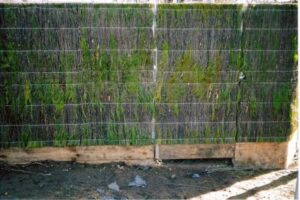
How does brush quality influence panel performance?
Packing density works together with material quality.
High-quality natural brush generally provides:
- Better durability
- Consistent appearance
- Improved weather resistance
- Longer-lasting performance
Using quality materials allows the fence to maintain its shape while preserving an attractive natural finish.
Even the best packing techniques cannot compensate for poor-quality or damaged brush material.
What should homeowners look for when choosing a brush fence?
Before selecting a brush fence, it is worth evaluating several important factors.
Consider:
- Consistent panel construction
- Even brush distribution
- Strong structural framework
- Quality natural materials
- Professional installation
These factors work together to create fencing that performs well while enhancing the appearance of the property.
Does professional installation make a difference?
Yes. Even high-quality materials require correct installation to perform as intended.
Professional installers understand how to achieve consistent packing density while ensuring the frame remains properly aligned and securely fixed.
They also consider local environmental conditions, including prevailing winds and site layout, when installing the fence.
Proper installation helps maximise both the lifespan and visual appeal of the finished product.
How does maintenance help preserve packing density?
Like any natural fencing material, brush fencing benefits from occasional inspection.
Regular maintenance may include:
- Checking for loose sections
- Inspecting fastening points
- Removing debris
- Monitoring structural supports
Addressing minor issues early helps maintain the original density and overall performance of the fence.
Conclusion
Understanding the anatomy of a brush fence panel helps homeowners appreciate why quality construction is essential for long-term performance. Every component from the supporting frame to the natural brush material and fastening system contributes to the fence’s strength, appearance, and durability.
Packing density is particularly important because it influences both privacy and wind performance. A well-balanced panel provides effective screening while allowing controlled airflow that reduces structural stress. By choosing quality materials, ensuring professional installation, and carrying out regular maintenance, homeowners can enjoy a brush fence that remains attractive, functional, and reliable for many years.